In the high-stakes world of sports medicine, the spotlight often falls on the surgeon’s steady hand or the athlete’s grueling rehabilitation. However, behind every successful ligament reconstruction or meniscus repair is an invisible architect of safety: the anesthesiologist. In modern sports orthopedics, anesthesia has evolved from "putting a patient to sleep" into a sophisticated practice of perioperative optimization.
The Modern Role of Anesthesia in Sports Surgery
Sports injury surgeries—ranging from arthroscopic ACL reconstructions to complex shoulder stabilizations—demand a unique anesthetic approach. Athletes are not "standard" patients; they often possess high muscle mass, lower resting heart rates (bradycardia), and a psychological drive for rapid recovery.
1. The Power of Regional Anesthesia
The "Gold Standard" in sports medicine today is Regional Anesthesia (RA). By using ultrasound-guided nerve blocks, we can "numb" only the specific limb being operated on.
• Benefits: It significantly reduces the need for opioid painkillers, which can cause nausea and delay mobilization.
• The "Pre-emptive" Strike: By blocking pain signals before the first incision is made, we prevent the central nervous system from "winding up," leading to a much smoother post-operative experience.
1. Enhanced Recovery After Surgery (ERAS)
As anesthesiologists, we are the gatekeepers of the ERAS protocol. Our goal is to ensure the athlete can begin physical therapy within hours, not days. This involves meticulous fluid management and the use of short-acting anesthetic agents that allow for "ultra-fast-track" emergence.
The Digital Frontier: AI in Anesthesia
As a researcher focusing on the intersection of Artificial Intelligence (AI) and Medicine, I believe we are standing on the cusp of a "Smart Anesthesia" era. For sports injuries, where the margin for error is razor-thin, AI offers three transformative advantages:
1. Predictive Risk Stratification
Traditional risk assessments are often generalized. AI algorithms can analyze an athlete’s specific physiological data—including heart rate variability, sleep patterns from wearables, and previous injury history—to predict how they will respond to specific anesthetic agents. This allows for a Personalized Anesthetic Plan tailored to the individual’s metabolic rate.
1. Closed-Loop Delivery Systems
Imagine an anesthesia machine that adjusts itself in real-time. Much like a pilot's autopilot, AI-driven closed-loop systems monitor the depth of anesthesia (via brain activity/EEG) and hemodynamics, automatically titrating drug dosages. This ensures the athlete remains in the "perfect zone" of unconsciousness, minimizing the "hangover" effect of over-sedation.
1. AI-Guided Regional Blocks
While ultrasound has made nerve blocks safer, AI-powered image recognition can now assist anesthesiologists by identifying nerves and blood vessels with superhuman precision. This reduces the risk of accidental vascular injection and ensures the block is 100% effective every time.
The Future: Beyond the Operating Room
The future of anesthesia in sports medicine is not confined to the hospital. We are moving toward a longitudinal care model:
• Virtual Pre-habilitation: AI-driven platforms will guide athletes through breathing exercises and nutritional optimization weeks before surgery to improve lung capacity and metabolic resilience.
• Smart Post-Op Pain Management: Wearable sensors will track pain levels and limb movement, feeding data back to the anesthesiologist’s dashboard. If an athlete’s pain spikes, the AI can alert the team to adjust their medication remotely.
Conclusion
The evolution of anesthesia is moving away from a "one size fits all" model toward a data-driven, precision-focused discipline. By integrating dynamic clinical care with the analytical power of Artificial Intelligence, we aren't just helping athletes survive surgery—we are engineered to help them return to the field stronger, faster, and safer than ever before.
About the Author:
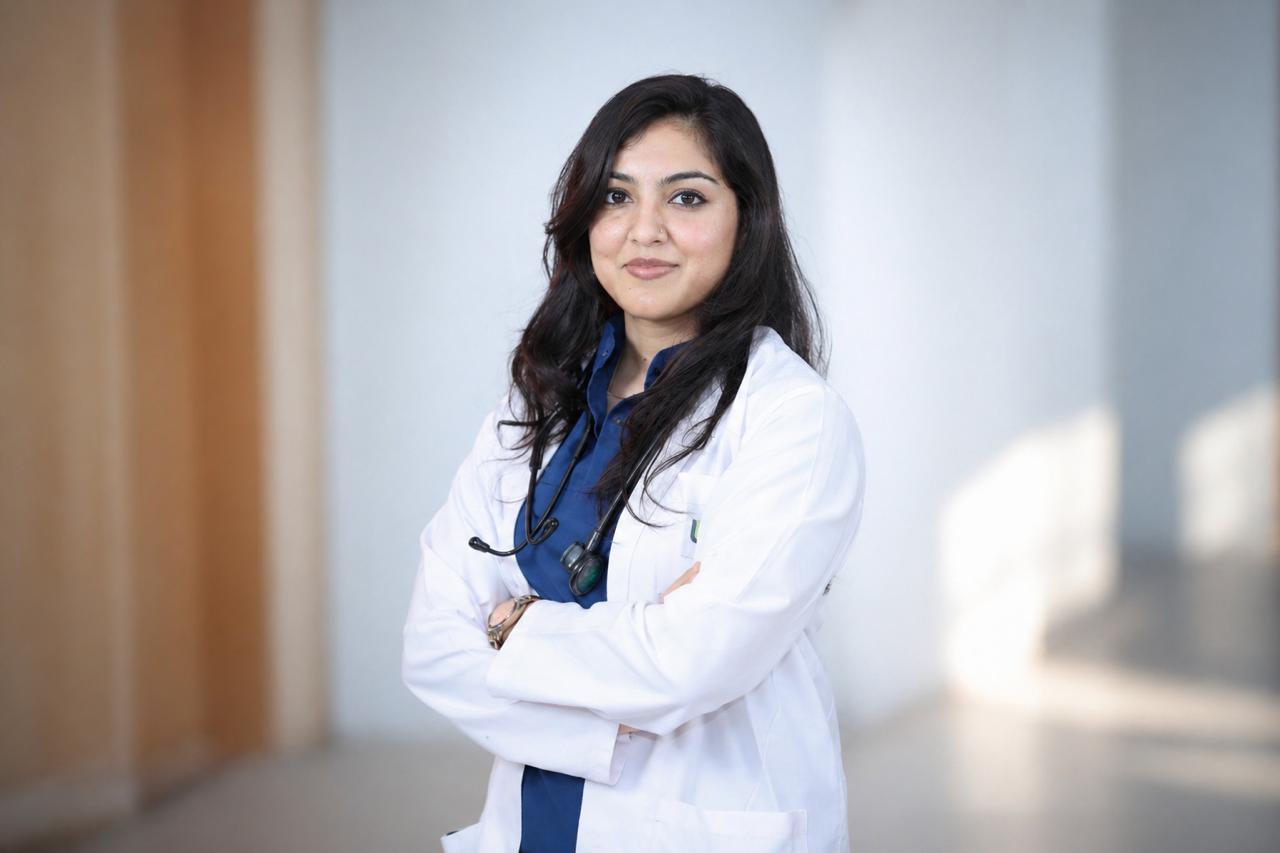
Dr. Sushree Swapnil Rout is a dynamic Anesthesiologist based in Bangalore. Her work bridges the gap between traditional clinical excellence and futuristic medical technology, with a dedicated research focus on the application of AI and Machine Learning to improve patient outcomes in perioperative care.